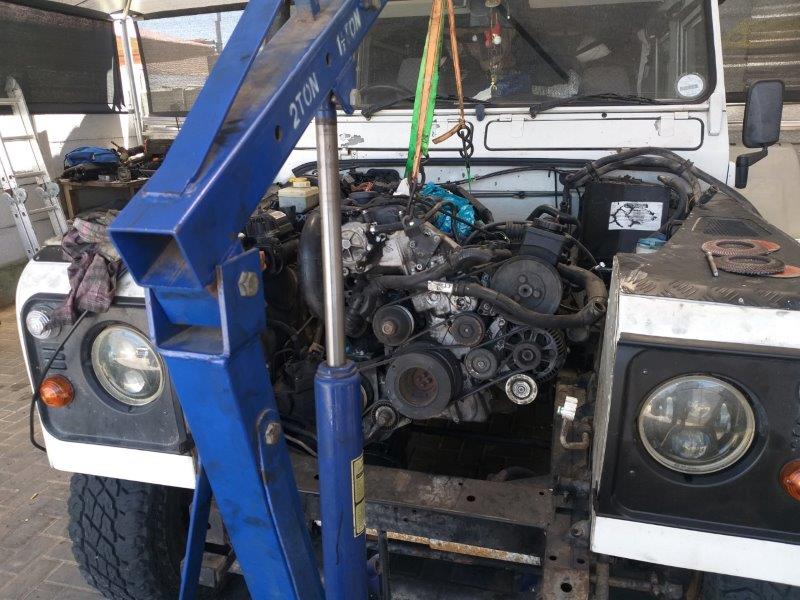
Defender 110 TD6 Build (We do this conversion commercially)
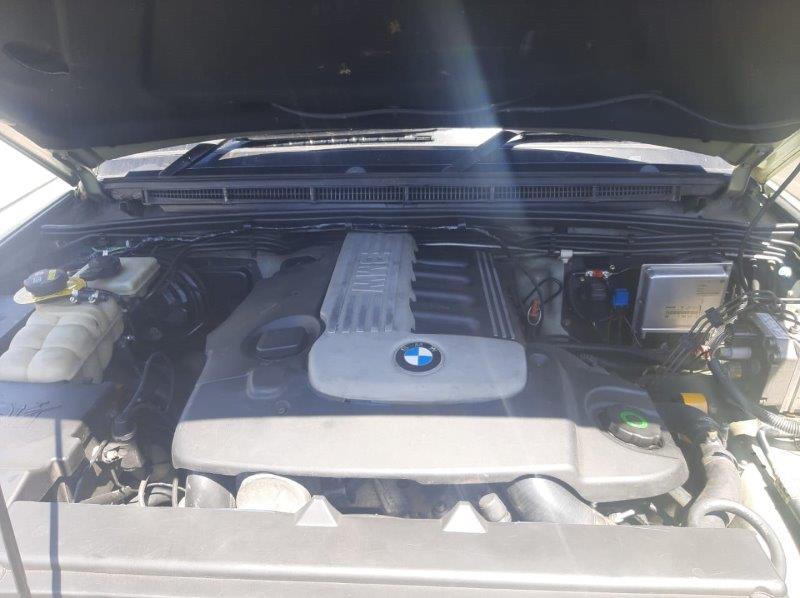
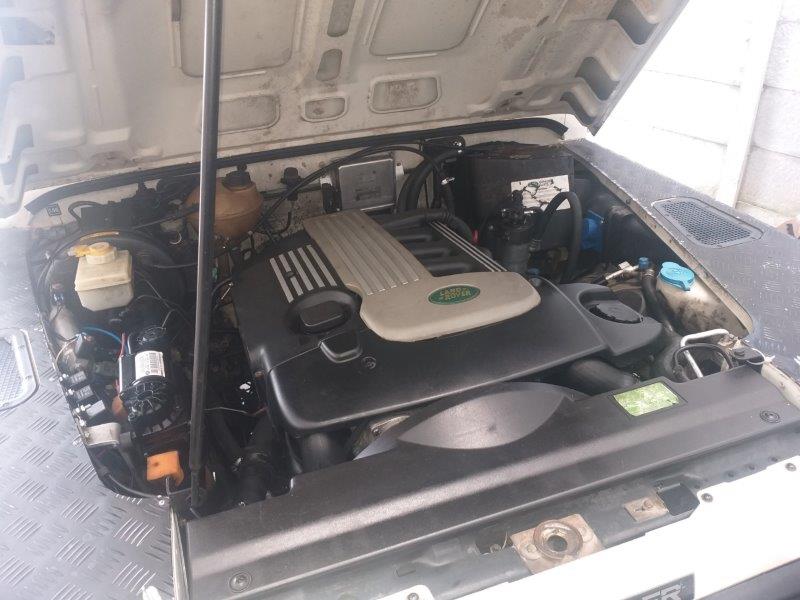
The Build
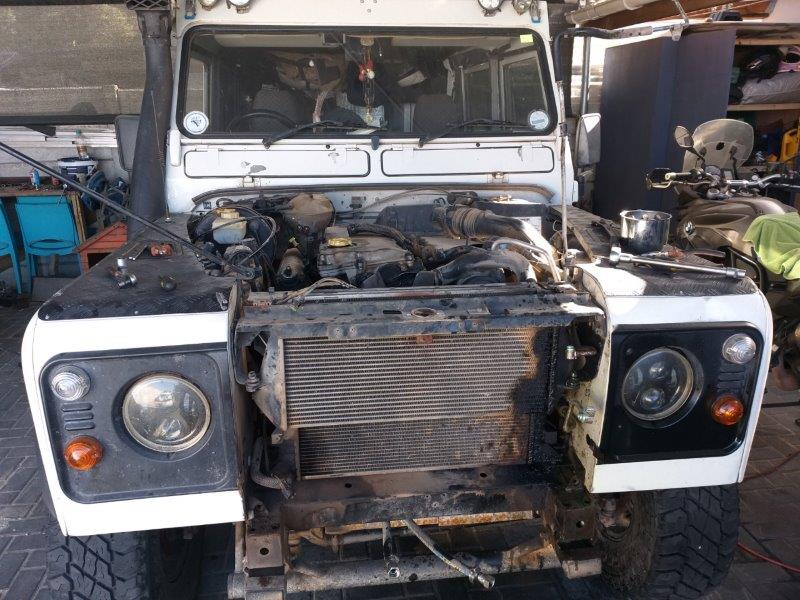
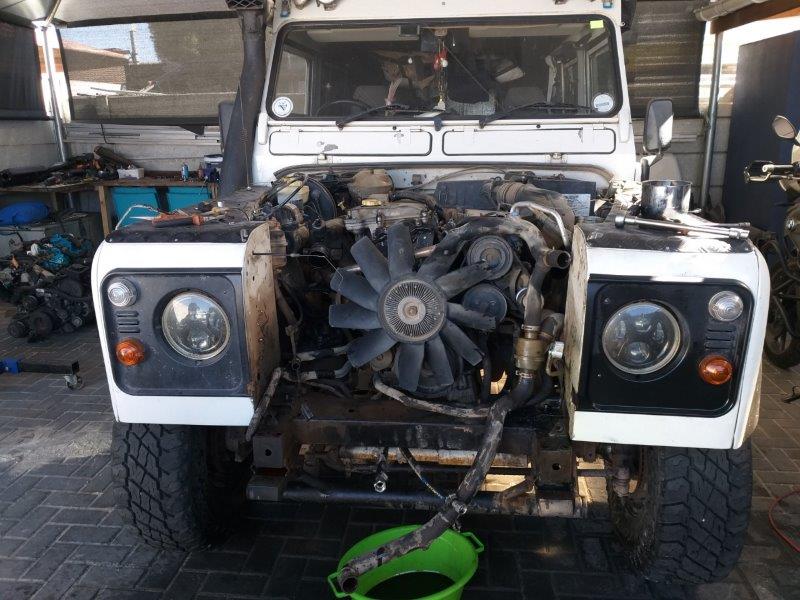
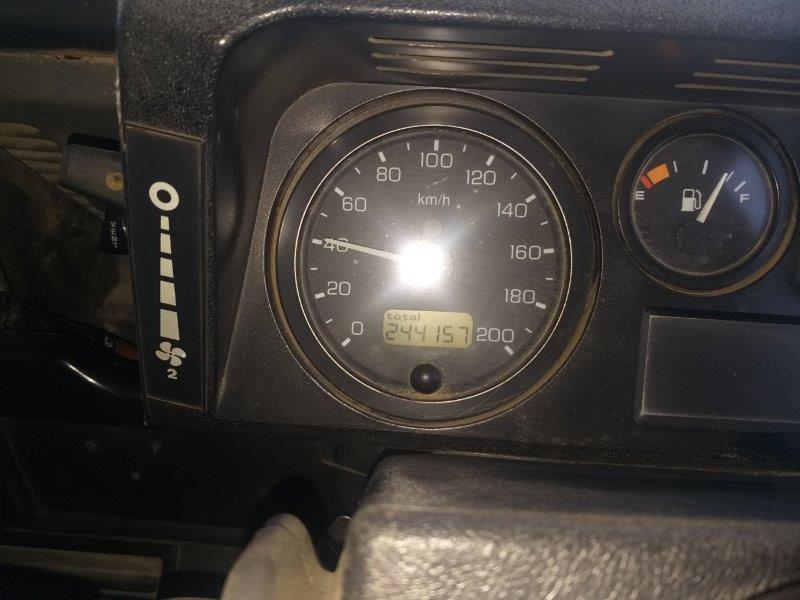
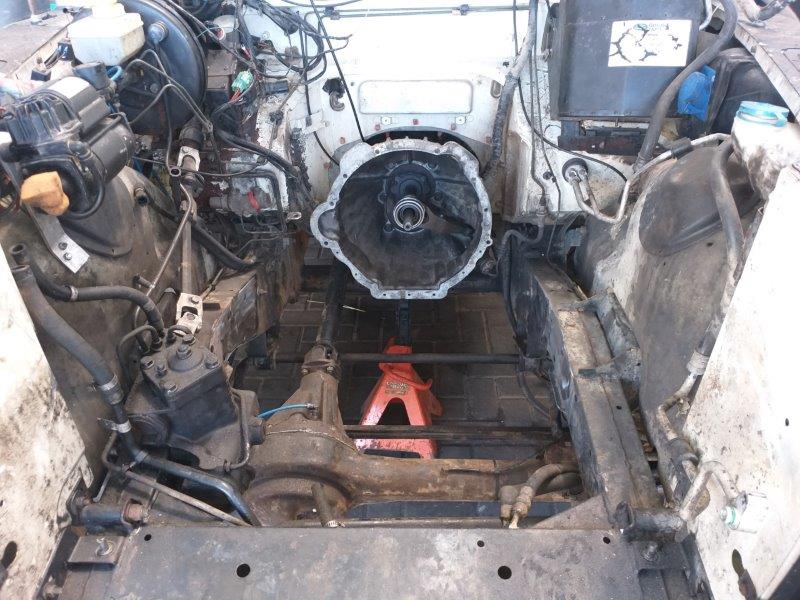
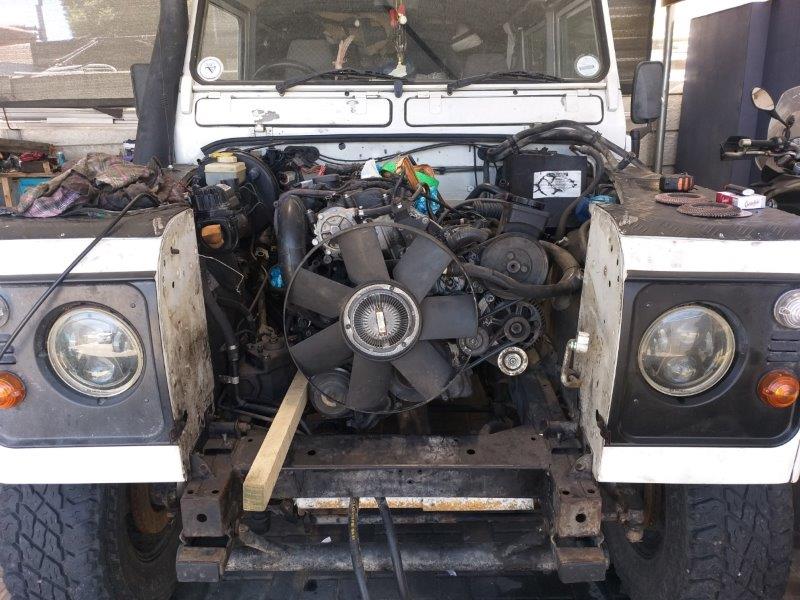
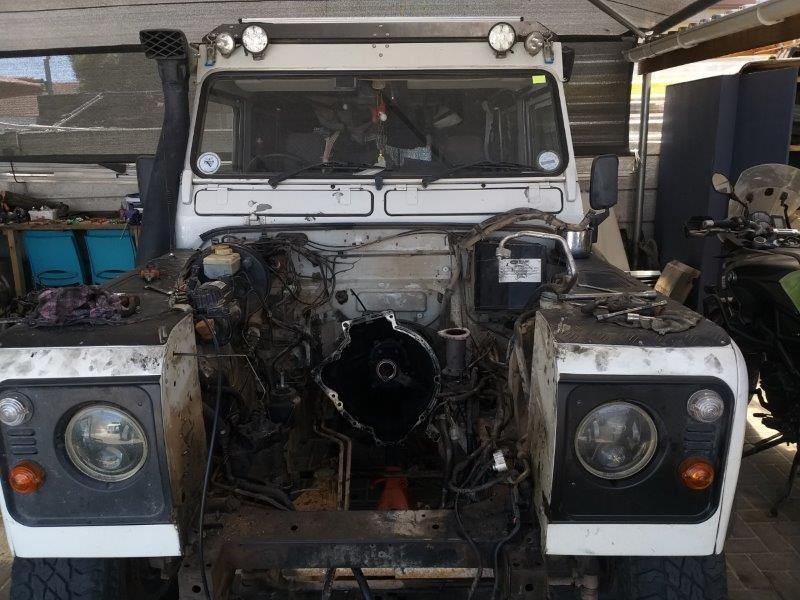
Our trusted td5 Defender has served us very well for the past 244 000 kilometers, but it was time to have more power for the long roads we travel. After lots of research was the decision taken to remove the td5 and replace it with the BMW M57 3.0-liter turbo diesel engine.Reasons for the decision was that our Defender was built by BMW, at the time (2001) the car was available with three different engines, 300TDI (Land Rover), td5 (Land Rover), and 2.8i (BMW). Also at this time did BMW build the Range Rover with BMW M57 3.0-Liter engine. Meaning in theory that this can be done off the shelf from Land Rover.
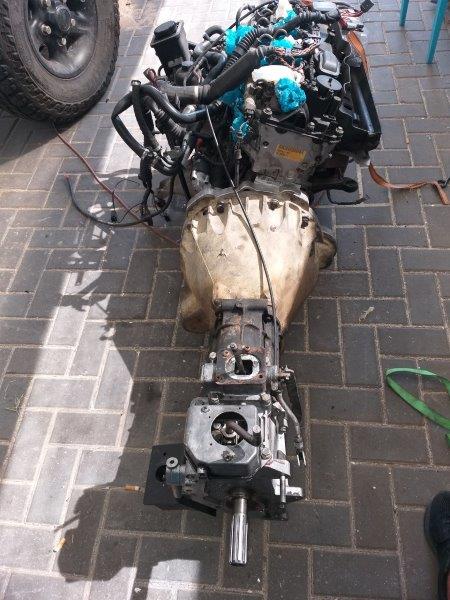
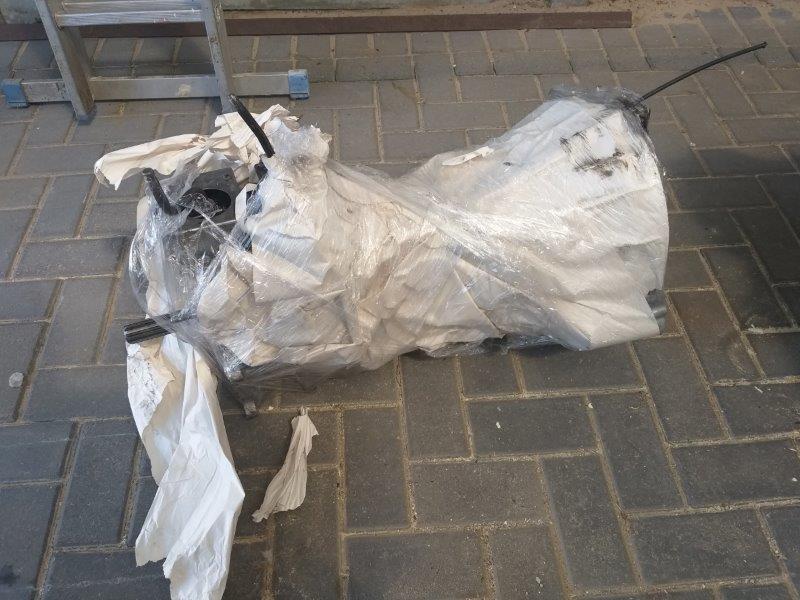
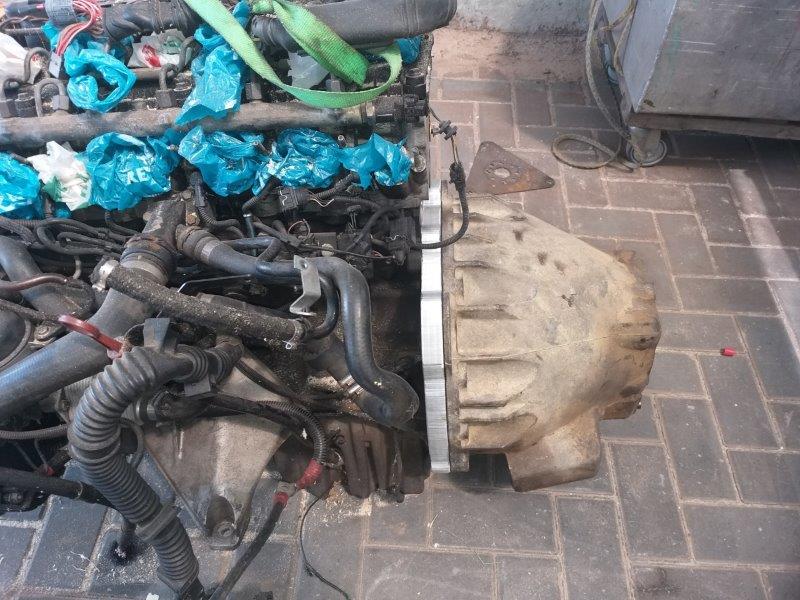
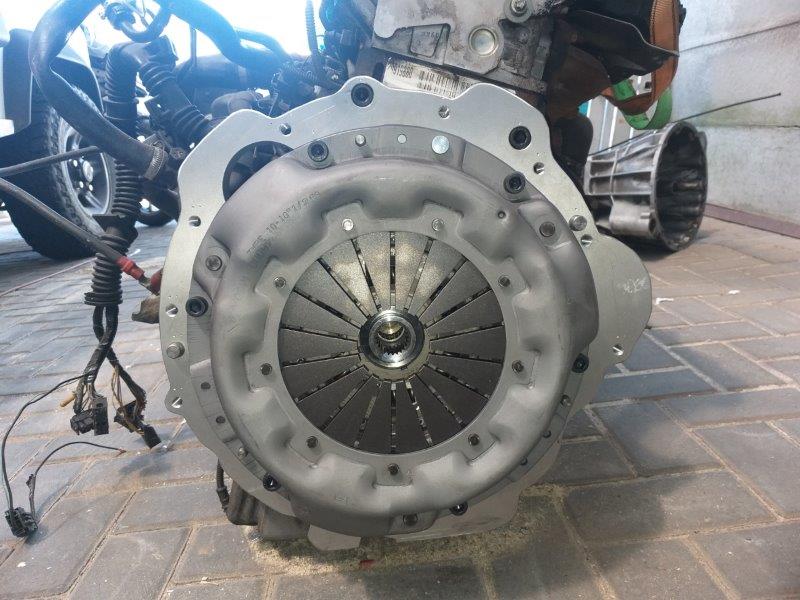
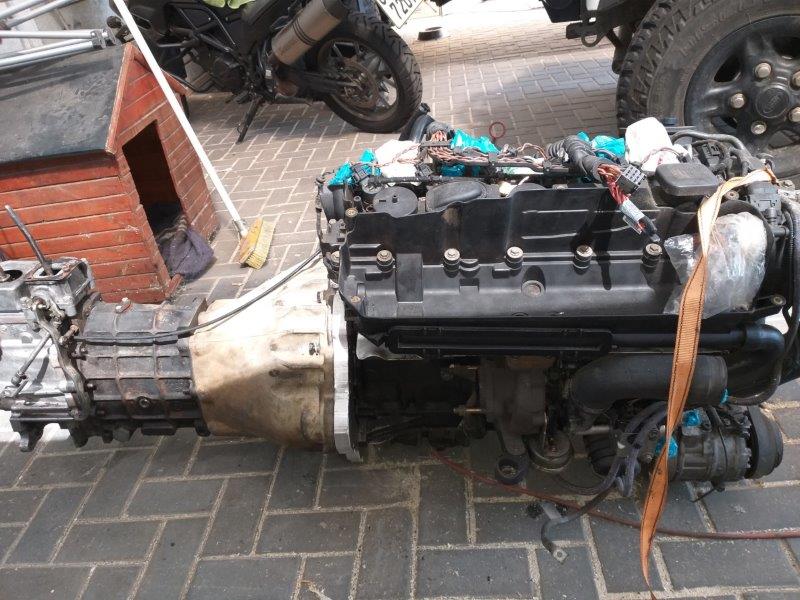
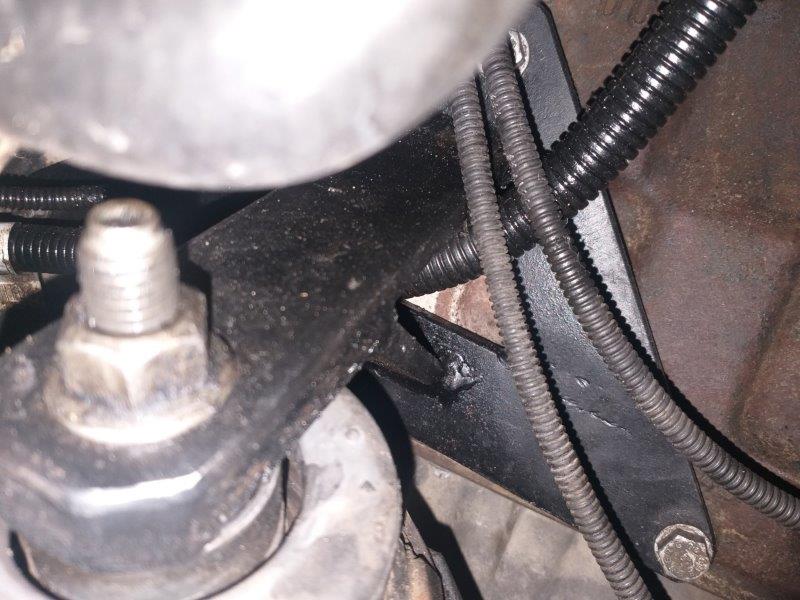
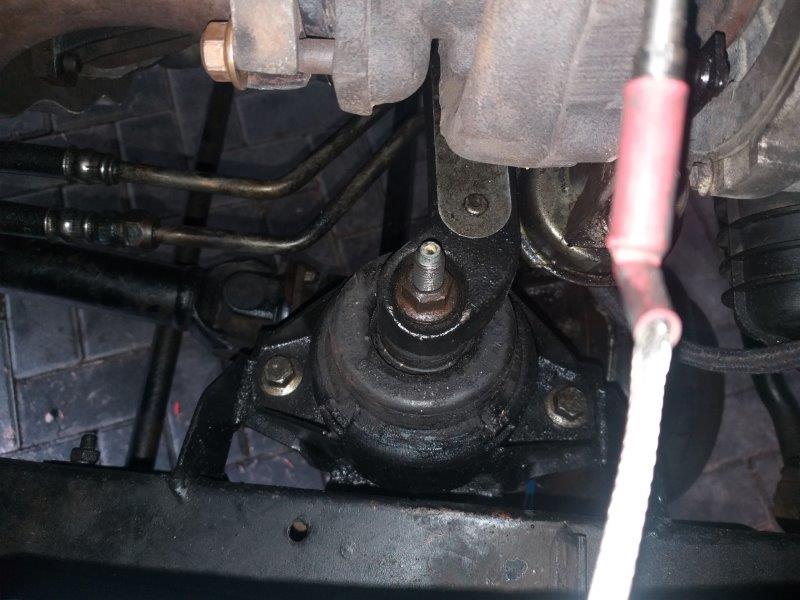
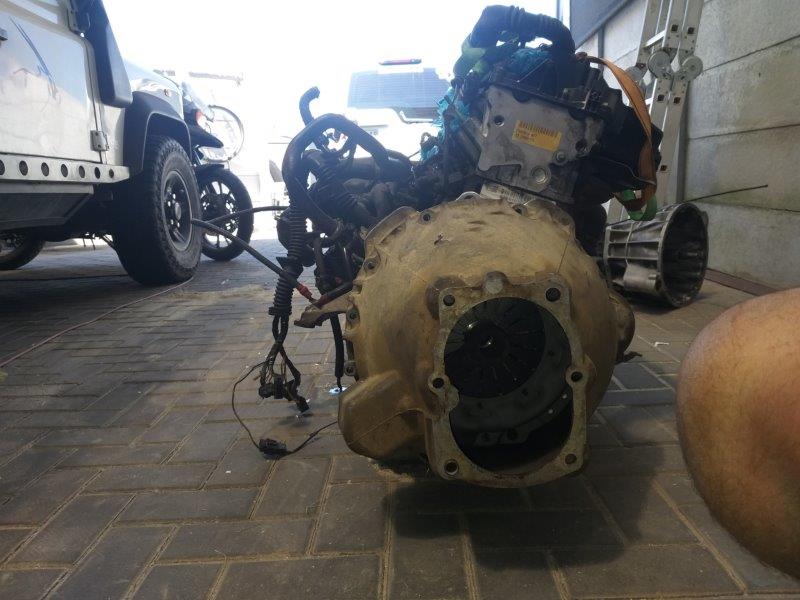
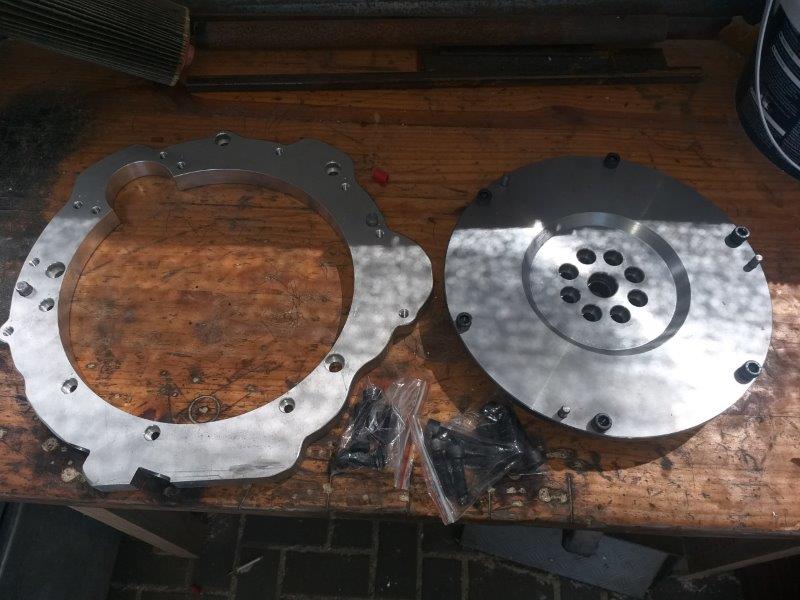
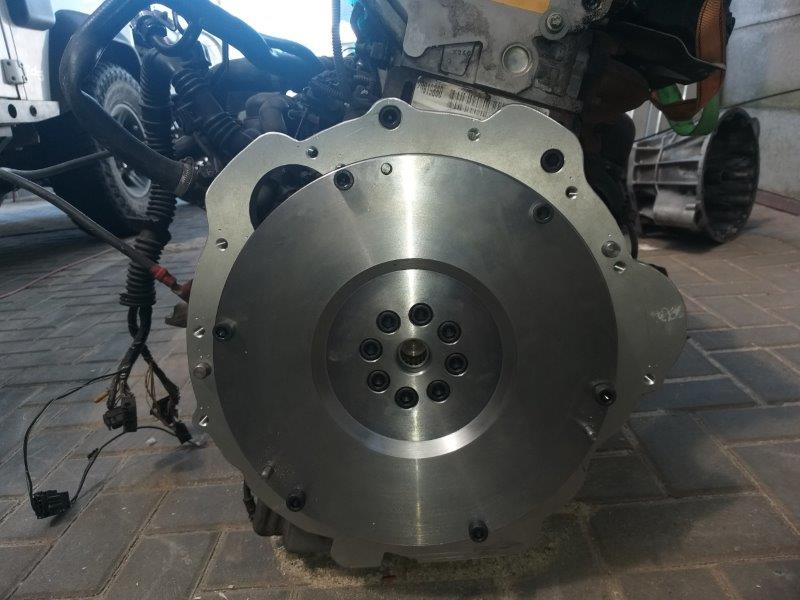
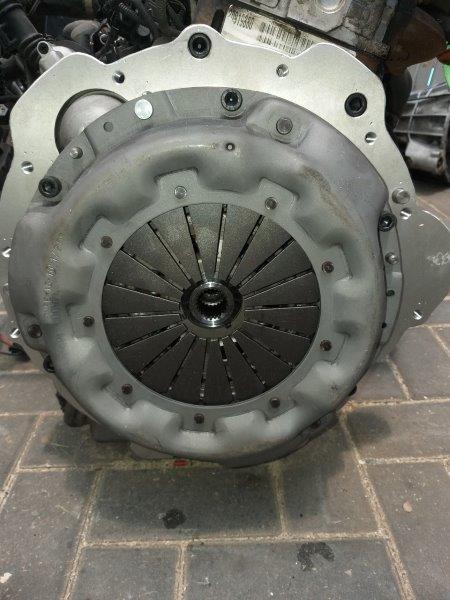
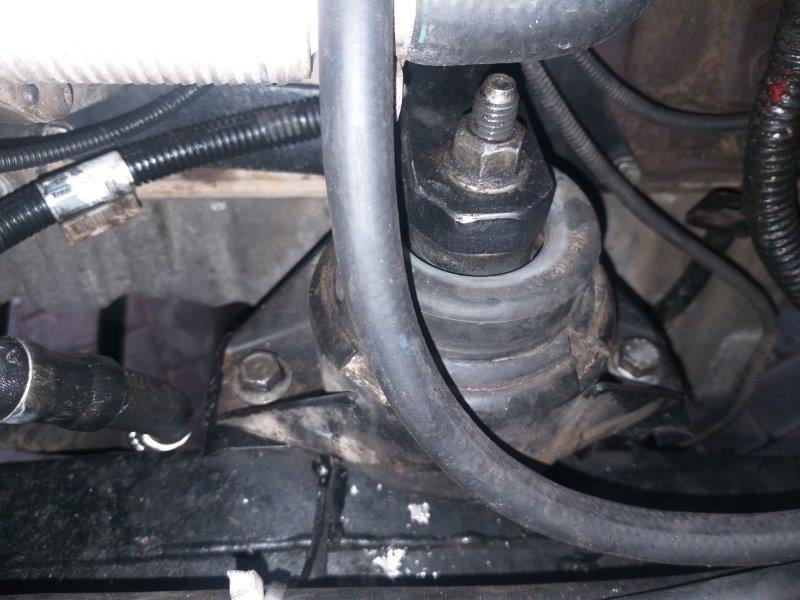
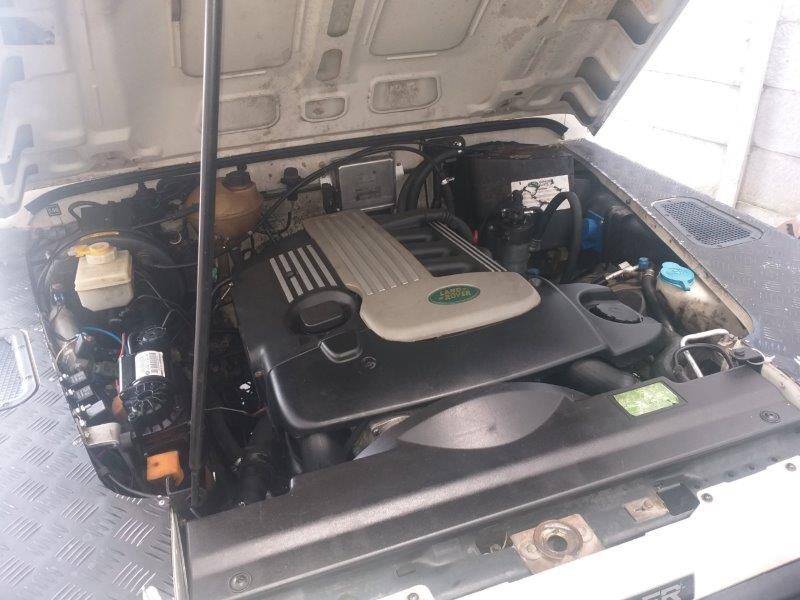
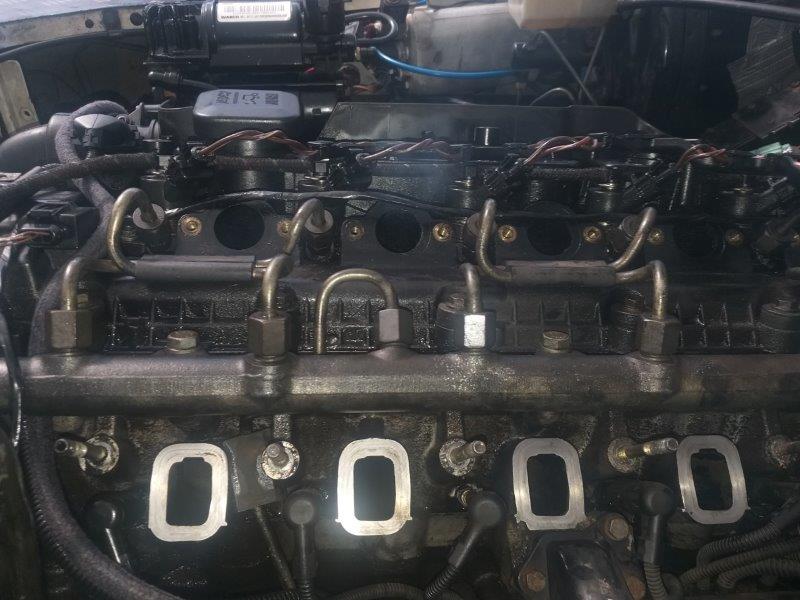
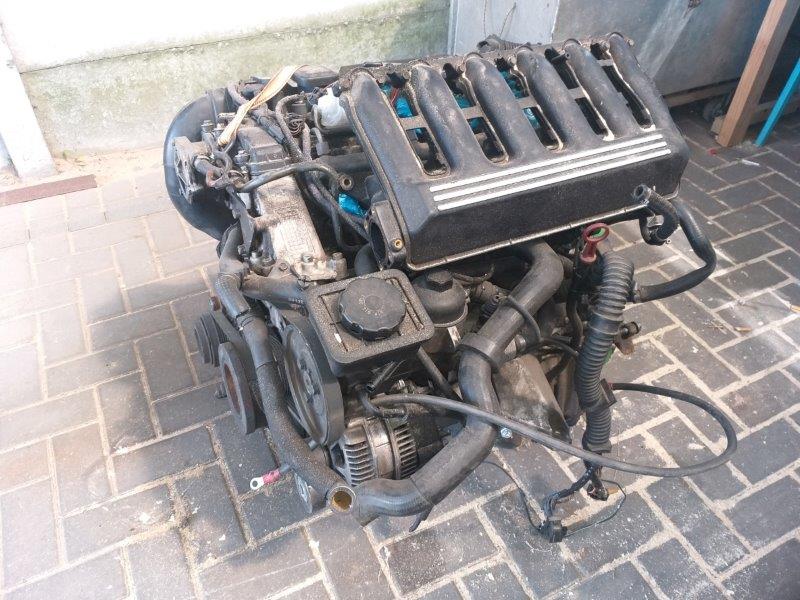
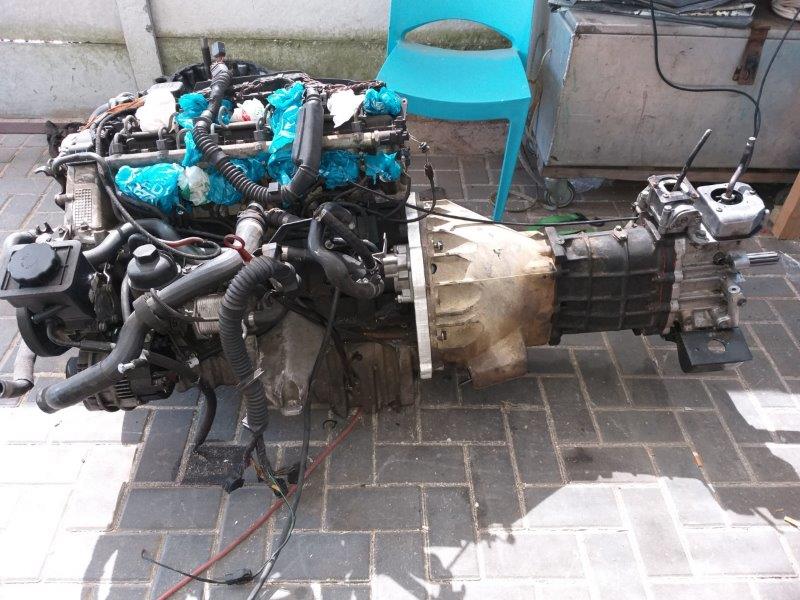
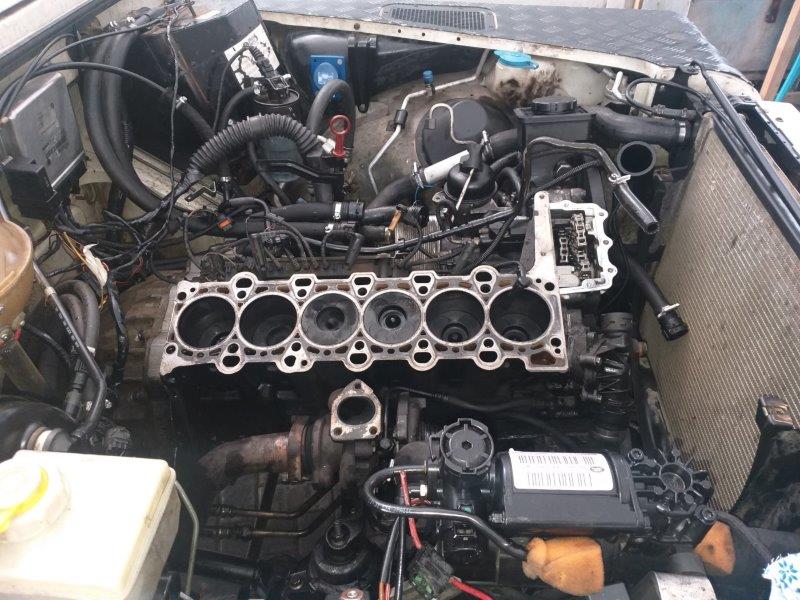
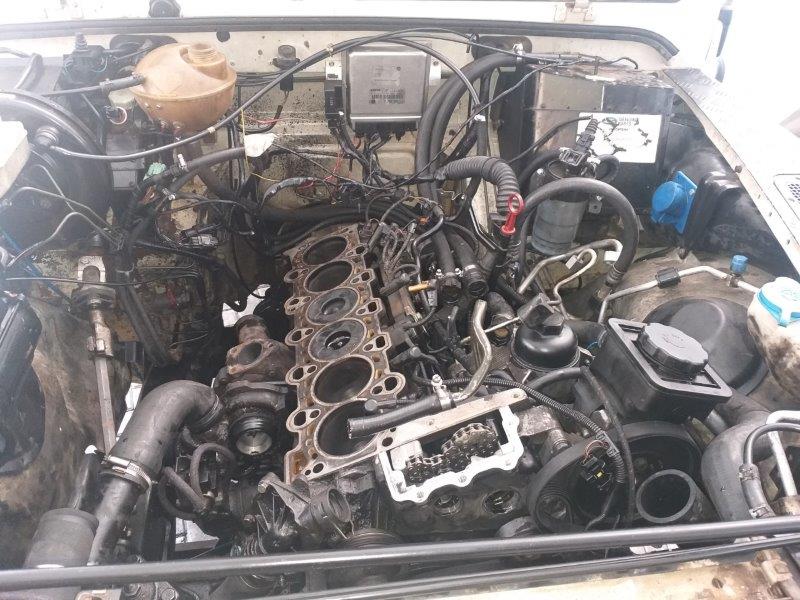
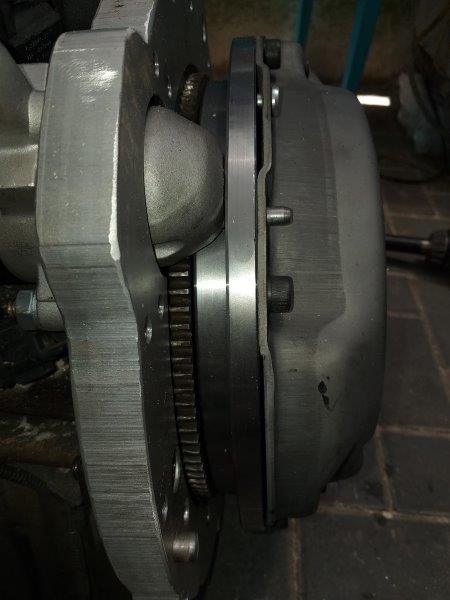
We decided to use a 330d engine (M57) from a E46 BMW, custom built adapter plate and flywheel fitted to a 300TDI gearbox. The custom adapter and flywheel was to be able to fit a standard off the shelf Land Rover v8 clutch assembly to transfer the torque of the M57. We decided on the TDI gearbox to be able to use the standard gearbox mountings but moving the engine back 80 mm and also because the gearbox has a stronger first gear and is lower geared than the td5 gearbox. For the engine mountings, intercooler, and radiator did we use the standard td5 setup, with later builds we found that the standard 300TDI mountings work better.
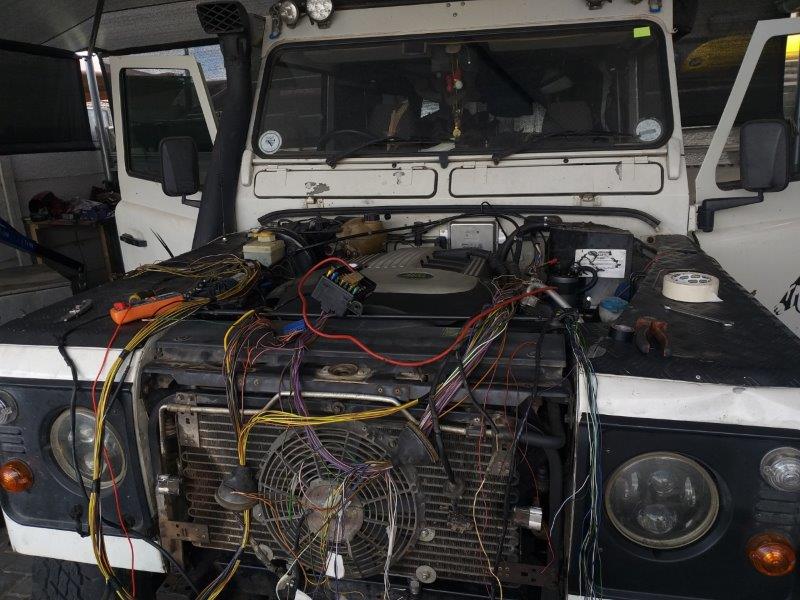
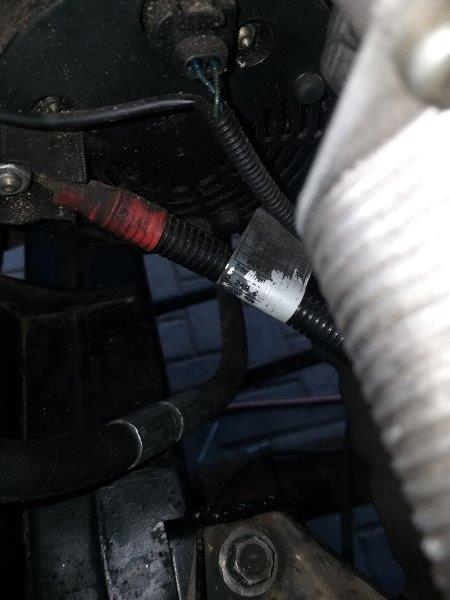
We then rewired the ECU circuit of the td5 to remove the td5 ECU, but leaving the body control unit in place and installed the BMW ECU. The BMW ECU was also changed to be standalone, meening no EWS. The result of this was that our immobilizer and Defender coded key still function as standard and with only one ECU in the car to run the M57.
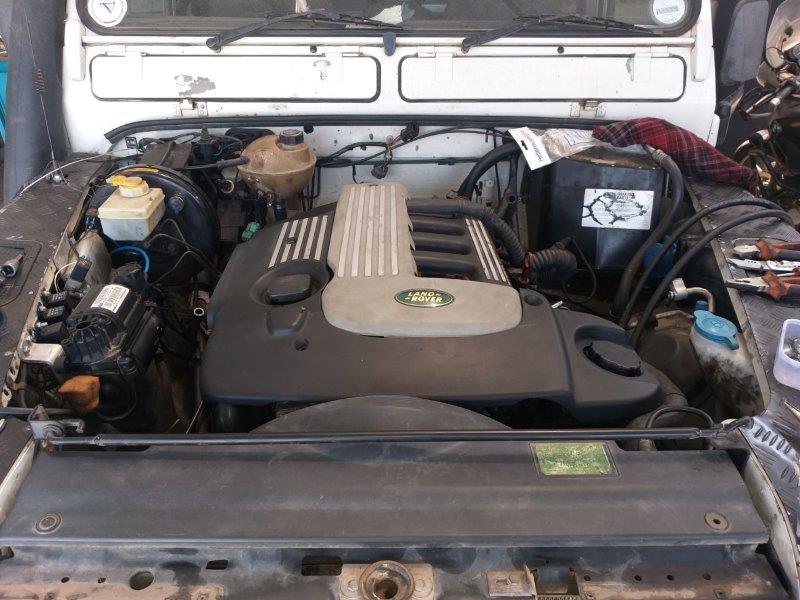
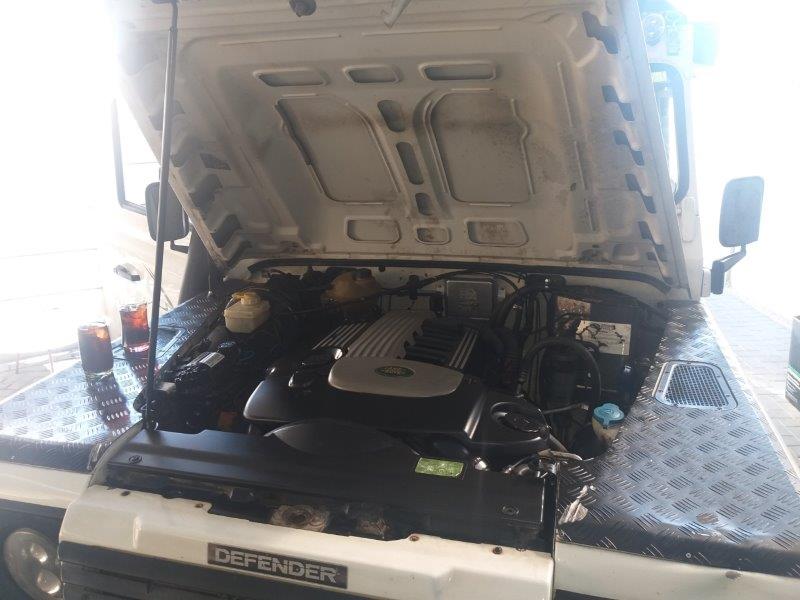
The final result ended up to be M57 engine, Rover V8 clutch kit, 300 TDI R380 gearbox and a 1.2 Transfer case from a Discovery. The engine mountings are Relocated but td5, exhorts is td5 63mm, radiator td5, but upgraded intercooler. Our ECU for the M57 is standalone without a AWS or key barrel and has a stage 2 map on it.
The conversion took us about four weeks to do.
The Testing
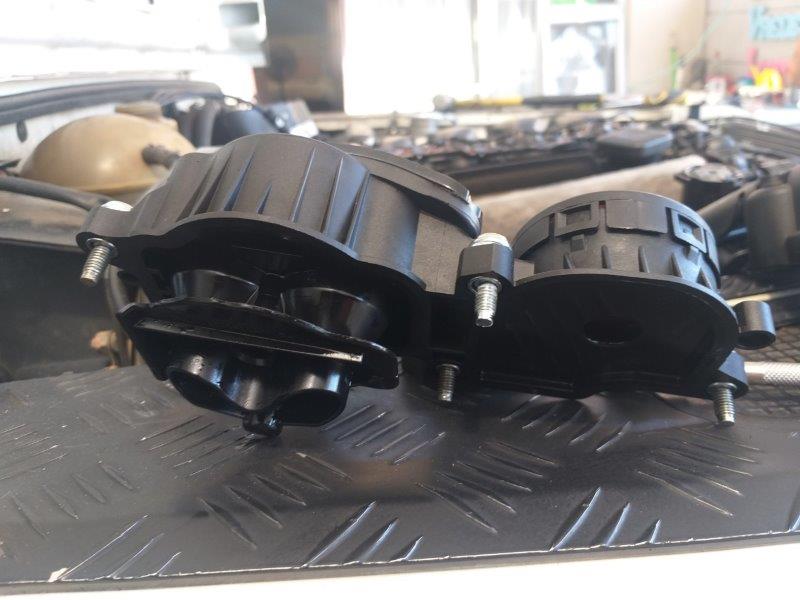
Not everything went as planned. During our first test run of 100km did we lose the engine. We only serviced the engine after installation and did not think it was necessary to check or replace the diesel injector seals. We were however very fortunate to acquire a new engine via friends of ours and replaced the engine after replacing the injector seals on the new engine.We have done testing for 2500km’s now in temperatures up to 37 degrees C and head winds of 41km/h, driving 4x4 and mountain passes, also doing 500km continues stretches of highway in the Western Cape. During this testing we learned that the African requirements are a bit different than in the UK and had to make some changes to what the guys in the UK do to have the car reliable in African conditions.
We upgraded the cooling system and fitted a Discovery 2 V8 radiator to keep the M57 under 95 degrees C on continues runs. The M57 mechanical fan was replaced with a 300TDI mechanical fan, the TDI fan is more aggressive and work better in 4x4 conditions.
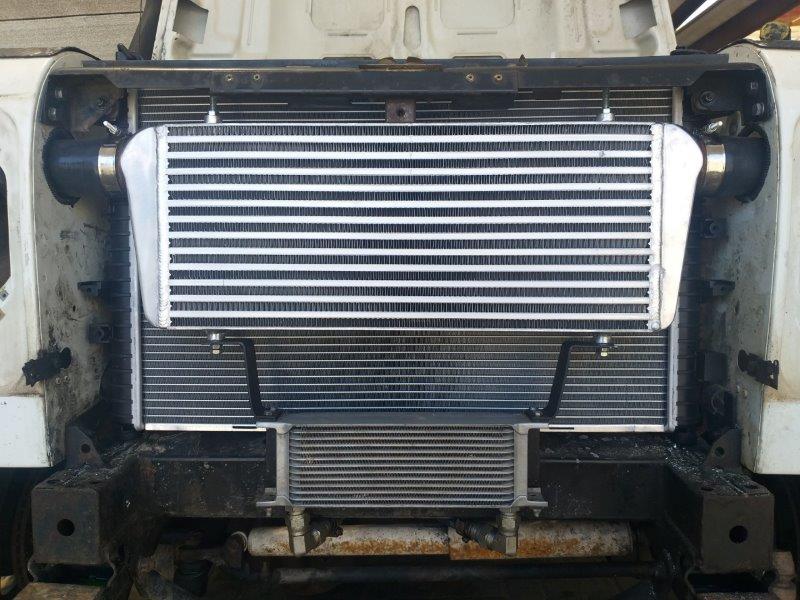
Intercooler was changed to a 550 * 300 * 63mm core crossflow intercooler, this allowed better airflow and cooling of the intake air.
Exhorts system was changed to a 63mm front pipe and 76mm to the back of the car to allow for lower EGT’s when driving flat-out, on long runs under full boost we still hit the EGT limit of 830 C after about 3 km’s.
Air conditioning system was changed to work mechanically in the same way as the Discovery 1 and 2 due to not having the td5 ECU.
Conclusion
In conclusion, this conversion was totally worth it. 80km/h against an uphill is not a thing anymore (Defender guys will understand this), overtaking at 120km/h is also not a thing anymore. While driving 4x4 we experienced that the idle control is a lot better than the td5 and much more low-end torque, making the car better driving in rocky environments.The Defender is a different car now. Driving continuously at a chosen speed is a given, overtaking is a pleasure, and driving in strong head winds is now about keeping the car in the road.
We run 33” wheels and our worst fuel consumption was 6.9km/l doing 115km/h constantly with a head wind of 41km/h climbing over 500km’s from sea level to a 1000 m above. Best was 7.8km/l driving 120km/h in normal conditions for 300km’s. For my normal driving style doing 120 to 130 km/h overtaking going to 150km/h on occasions we got a fuel consumption of 7.7 km/l over a distance of 500km’s.
The car is very comfortable to drive, probably the best driving Defender I have driven. It is fast, I am not prepared to drive a Defender faster than 160km/h and the car achieve it easy, with lots of power left for more, acceleration is good and more than acceptable. For town driving only 3rd and 4th should be used to save the gearbox.
PS
After driving for 3500km now with the M57 more lessons were learned. The common rail fuel system is sensitive to fuel quality and pre rail pressure. We use to fill the td5 with Diesel, any Diesel, we did the same thing with the M57. We ended up having the injectors refurbished because of that.The M57 need to be run with 50ppm and be careful for dirty fuel, we kept the td5 fuel filter, but then also fitted the BMW filter to the supply system.
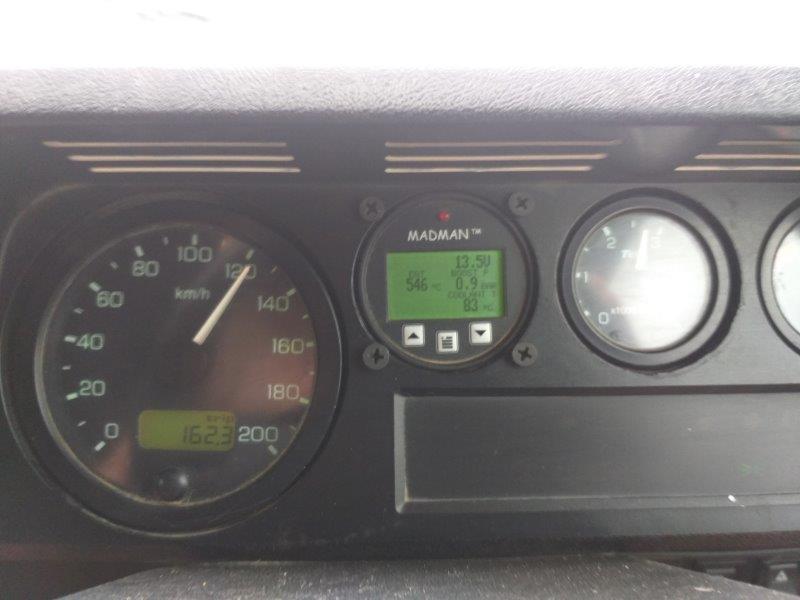
After doing close to 70k km with my Three M57 Land Rovers and completing thirteen conversions on Defenders and Discovery 1 and 2’s my conclusion is in short. It is the best engine for a Defender and Disco 1 & 2. After the conversion, it will be a very good decision to have the injectors refurbished and the injector seals replaced. Have the turbo upgraded to a hybrid turbo. Only drive on 50-ppm diesel. For safety it would also be very advisable to fit a MadMan engine monitoring system and then monitor water level, Oil pressure, Water temperature, EGT’s, and Boost.